Blood: The Ultimate Horror Display Font for Dark Designs
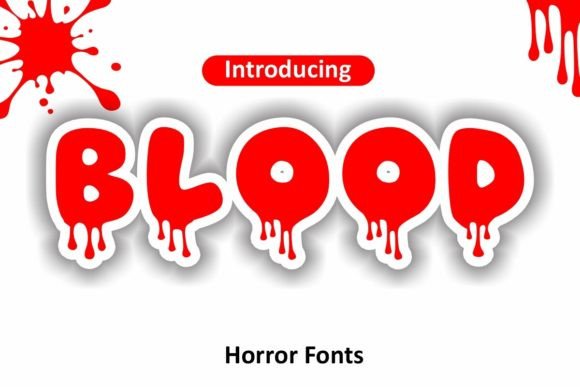
Some design projects demand more than just a dark mood; they require an immediate, visceral impact that stops viewers in their tracks. When standard serif or sans serif fonts fall short, Blood emerges as a premium typeface designed specifically to evoke a spine-chilling atmosphere. This creative font is not merely text; it is a visual asset that transforms standard lettering into ominous, dripping letterforms reminiscent of a true nightmare.
Understanding the Macabre Aesthetic
Blood is categorized as a display font, meaning it is crafted for large headlines and titles rather than long-form body copy. Its design philosophy centers on high-contrast horror aesthetics. The character shapes feature irregular edges and fluid, dripping details that mimic the texture of wet blood. This specific style allows designers to immediately set a bone-chilling tone without needing extensive illustration work. It serves as a standalone design asset for any project requiring a terrifying visual hook.
Ideal Use Cases for This Typeface
Because of its distinct personality, Blood is best suited for specific creative applications where readability takes a backseat to atmosphere. It is an excellent choice for projects in the entertainment, gaming, or seasonal event sectors.
Consider using this font for:
- Poster Design: Creating striking key art for horror movies, haunted house attractions, or heavy metal concerts.
- Packaging Design: Labeling limited-edition Halloween products, special release craft beers, or horror-themed merchandise.
- Social Media Graphics: Generating high-click-through-rate visuals for scary story thumbnails or event announcements.
- Logo Design: Crafting wordmarks for horror podcasts, gaming channels, or indie film studios.
- Web Design: Using it sparingly for hero sections on websites dedicated to dark fiction or costume shops.
Visual Hierarchy and Typography Pairing
Effective typography relies on contrast. Since Blood is a highly stylized display font, it performs best when paired with a neutral, clean typeface. For example, using a simple sans serif or a classic serif font for your body text will ensure that the headline remains legible and impactful.
When setting up your visual hierarchy, reserve Blood exclusively for H1 headings, titles, or short call-to-action phrases. Its ornate details can make extended sentences difficult to read on smaller screens. By limiting its use to key focal points, you maintain the macabre aesthetic while ensuring your overall design remains polished and professional.
Technical Considerations for Designers
When incorporating Blood into your design assets, pay attention to scalability. Horror fonts often lose their intricate details when scaled down too small or become jagged when scaled up too high without proper vector handling. Always test the font at the specific size it will appear in your final output.
Additionally, consider the color palette. While traditional red on black fits the theme, experimenting with high-contrast combinations—such as bone white text on a charcoal background or neon red on deep purple—can modernize the look. This flexibility allows the typeface to fit into modern typography trends while retaining its core horror identity.
Licensing and Commercial Usage
Before downloading Blood for a commercial project, it is vital to verify the licensing terms. Most premium fonts require a specific license for commercial use, such as for merchandise or client work. Ensuring you have the correct license protects your brand identity and prevents legal issues down the line. Treat the font as a professional tool; proper usage rights are just as important as the visual appeal of the typeface itself.
Choosing the right typography is a defining step in establishing a brand's personality. For projects that need to convey mystery, fear, or high-stakes drama, a specialized tool like Blood offers a level of thematic depth that generic fonts cannot match. By integrating this typeface thoughtfully, you can elevate your creative projects from standard designs to immersive, nightmarish experiences that resonate with your audience.